Limestone & Starlight: Walking the High Rifugi of the Dolomites
Traversing Alta Via 1 on foot, living simply out of a 30-liter pack, and discovering the profound hush of Alpine sunset.
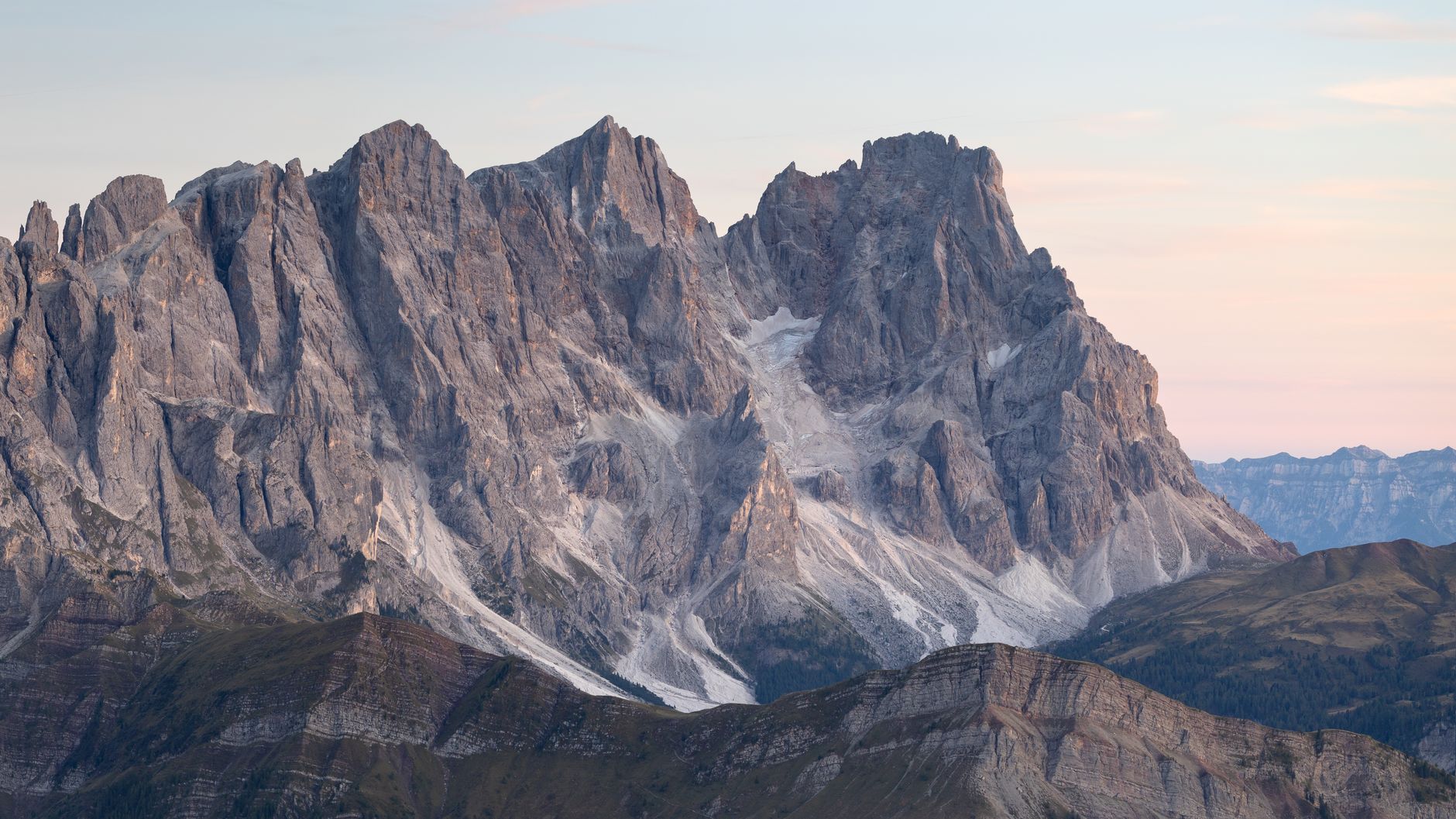
The Dolomites do not resemble any other mountain chain on European soil. Born 250 million years ago as prehistoric coral reefs submerged under a tropical sea, their bleached cliffs stand vertical like cathedral pillars thrust upward by tectonic fury. In Ladin folklore, they are known as the Pale Mountains—so pale that according to legend, dwarves once spun moonbeams to cover their dark rocks.
Our trek followed a northern section of the Alta Via 1, beginning at the glassy sapphire basin of Lago di Braies and climbing steadily into the stark wilderness of the Fanes-Sennes-Braies nature park. Here, the hum of highway motors vanishes, replaced by the shrill whistle of alpine marmots and the wind scouring the scree.
The High Refuge Culture
To hike hut-to-hut in the South Tyrol and Veneto regions is to participate in a centuries-old tradition of hospitality. The rifugio is not a resort; it is a communal sanctuary. Muddy boots are traded for wool slippers at the entrance. In the wood-paneled dining stube, hikers from five different nations break coarse rye bread together over bowls of canederli (bread dumplings) in hot broth.
“High above the timberline, when darkness envelopes the valley below and only the stars illuminate the pale stone, you realize how little a human actually needs to be completely content.”
Field Notes for the High Trail
- Pack strictly essential weight: Aim for under 8 kilograms total pack weight. Water refills are abundant at stream junctions and refuges.
- Understand Enrosadira: The phenomenon where the limestone blushes deep orange and magenta at dusk lasts only ten minutes. Have your journal ready.
- Carry local cash: High-altitude shelters frequently experience satellite connection dropouts for card terminals.
Stepping out onto the wooden veranda of Rifugio Lagazuoi at dawn, standing at 2,752 meters with the world blanketed in sea clouds below, one experiences a clarity of mind that months of urban desk work can never grant.
Elena Vance
Alpine Contributor & Architect