Oaxaca: The Sacred Smoke of Ancestral Cuisine
Following ancient pathways of corn, dried chilhuacle chiles, and clay comales in Mexico's high Central Valleys.
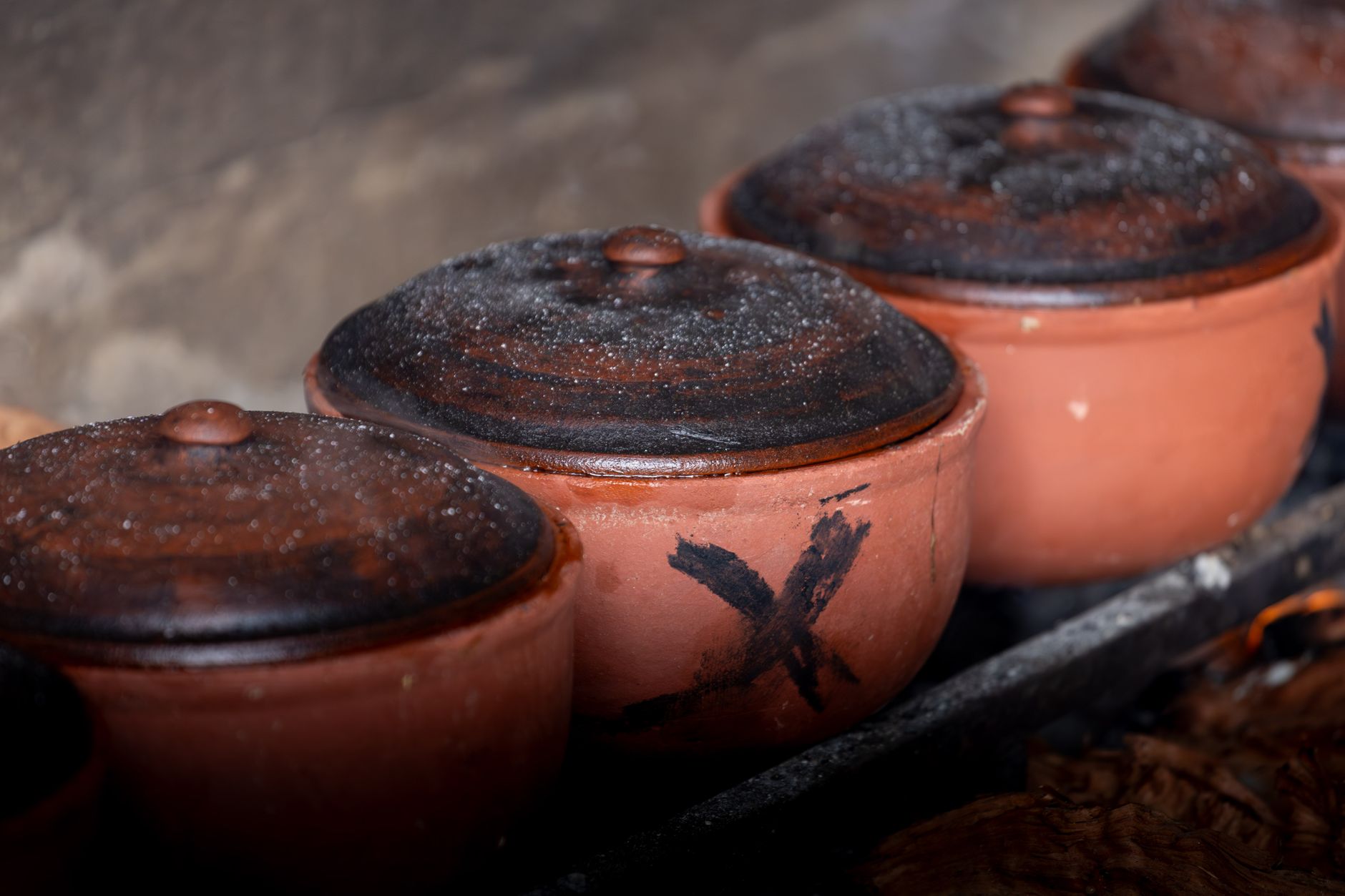
In the Central Valleys of Oaxaca, cooking is not treated as a science or an industry; it is treated as an act of sacred remembrance. In the village of Teotitlán del Valle, forty minutes east of the state capital, the air smells of smoldering oak wood, toasted cumin, and roasted chiles ground by hand on basalt metates.
Here, corn is not a commodity—it is the biological and spiritual architecture of indigenous civilization. Over thirty native heirloom varieties (criollo) flourish in this terrain, from deep purple kernels with earthy sweetness to starchy golden ears destined for freshly pressed tlayudas.
The Geometry of Mole Negro
To witness the preparation of a genuine mole negro is to observe a culinary symphony requiring up to three days of focused labor. More than twenty-five ingredients—including charred chile seeds, Mexican dark chocolate, plantains, cloves, and wild Mexican oregano—are individually scorched and harmonized in clay pots over open flame.
“Mole is time made edible. You cannot rush it with machinery without severing the thread that connects the dish to the ancestors who gathered around the comal.”
Mindful Ways to Experience Oaxaca
- Support Sunday market cooperatives: Visit Tlacolula de Matamoros on Sunday mornings to buy directly from indigenous Zapotec and Mixtec growers.
- Sip artisanal mezcal with reverence: Seek out family palenques utilizing ancestral clay pot distillation rather than industrial commercial brands.
- Celebrate red clay craftsmanship: Journey to San Marcos Tlapazola to meet the women potters shaping lead-free cookware from raw mountain mud.
As the afternoon shadows stretch across the quarry stone arches of Santo Domingo church, Oaxaca reminds the modern traveller that food created with intention feeds far more than physical appetite—it tethers us to the living earth.

Marcus Sterling
Cultural & Culinary Chronicler