The Architecture of Stillness: 7 Quiet Days in Ancient Kyoto
Escaping the crowded itineraries to listen to rain falling on cedar shingles and moss gardens in the northern hills.
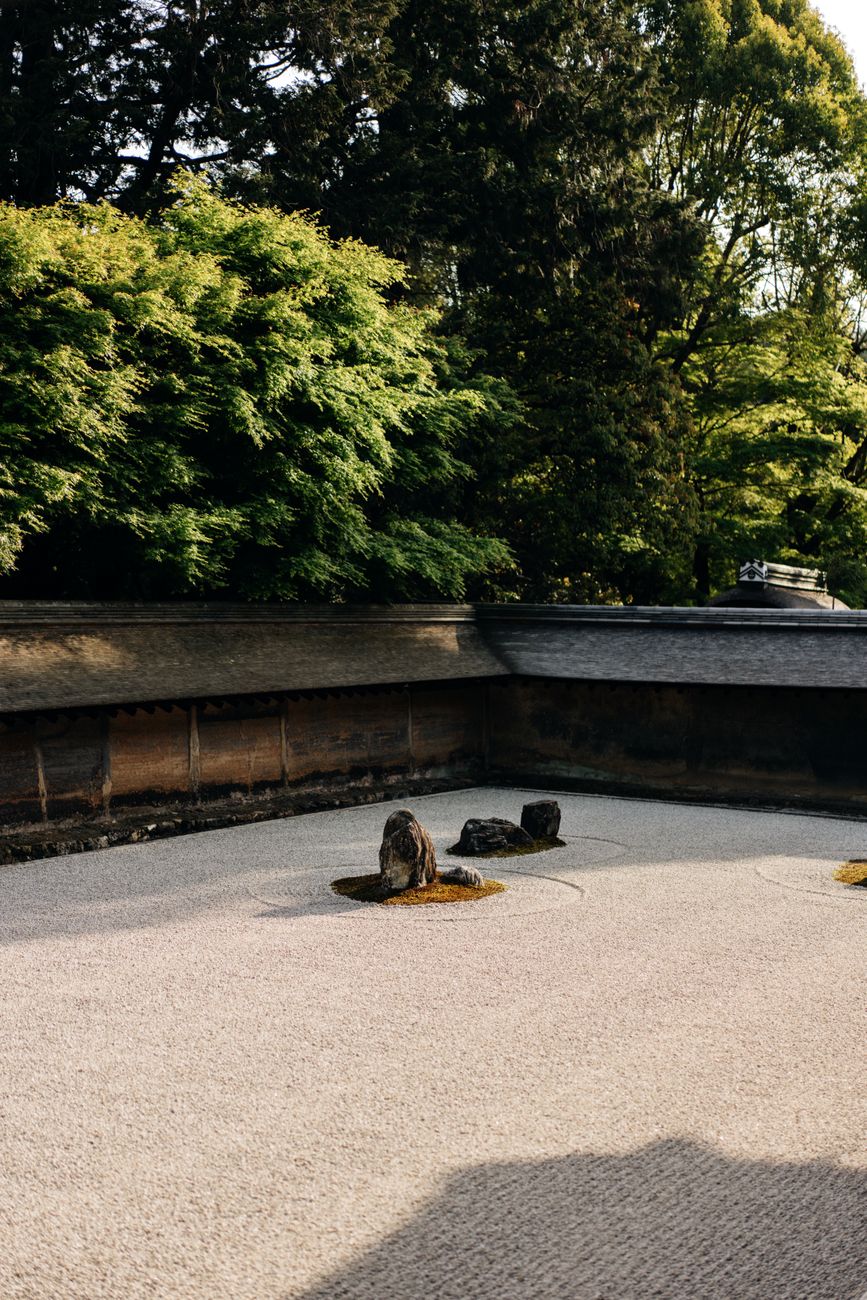
At half past five in the morning, Kyoto speaks in a register completely masked during the daylight hours. Along the shallow banks of the Kamo River, the only sounds are the rhythmic clatter of a bicycle bell and the low murmur of temple monks sweeping needles from mossy stones. The bus tours have not yet departed their central station hotels; the souvenir boutiques around Kiyomizu-dera remain battened behind wooden cedar planks.
To visit Kyoto in our frantic century requires discipline: specifically, the discipline of choosing subtraction over accumulation. While tourist guides boast lists of thirty sights to check off before sundown, our journey was dedicated to remaining inside one northern neighbourhood, Nishijin, observing how light travels through hand-planed lattice screens.
The Soul of the Machiya
The traditional Japanese townhouse, or machiya, is not simply a residence; it is a micro-climate designed to foster balance between inner quietude and the outdoor courtyard garden (tsuboniwa). Constructed without nails, held together by interlocking joints of cypress and cedar, it breathes with the season. In summer, sliding shoji screens are replaced with split-bamboo blinds that whisper with the faintest breeze.
“The beauty of a Japanese room depends entirely on the variation of shadows, heavy shadows against light shadows—it has no other ornament.”
— Jun'ichiro Tanizaki, In Praise of Shadows
Practical Reflections for the Mindful Visitor
- Rise before the dawn: Experience Zen temples such as Daitoku-ji right when the wooden gates creak open at 8:00 AM.
- Travel by bicycle or foot: Kyoto's grid is flat and pedestrian-first. Avoid taxis to discover hidden kissaten coffee shops.
- Dine simply: Opt for obanzai (traditional Kyoto seasonal home cooking) rather than multi-course novelty meals.
As our seventh evening approached, watching the lantern light reflect upon the wet river stones, we recognized that the true souvenir of Kyoto is not something you carry home in luggage, but a calibrated rhythm you internalize for the rest of your life.

Julian Ortiz
Contributing Travel Essayist